EMERGENCY HOTLINES
911 Emergency
(062) 214-2284 Fire
(062) 214-2222 Police
(062) 214-2333 Hospital
City of Pagadian Official Seal
SP Pagadian City Seal

Republic of the Philippines

Pagadian City

The Little Hong Kong of the South • Regional Center of Region IX

Regional Center of Region IX

Pagadian CityThe Little Hong Kong of the South

Charter city and capital of Zamboanga del Sur, celebrating over 55 years of progress, cultural heritage, and the beautiful scenery that makes it the pearl of the Zamboanga Peninsula.

1969 Charter Year
54 Barangays
June 21 Araw ng Pagadian
Scroll to Explore

Pagadian City At a Glance

Key facts and figures about the Little Hong Kong of the South

0
Registered Residents
0
Barangays
694.93
Land Area (km²)
0
Registered Businesses
0
Annual Visitors
56
Years of Progress
The Name of Pagadian City

Understanding the origin, identity, and significance of the Little Hong Kong of the South

Origin of the Name

Pagadian's earliest settlers were the Subanen people (from "suba" meaning river), who established fishing and trading villages along the riverbanks. The name reflects the city's deep connection to its waterways and indigenous heritage.

Little Hong Kong of the South

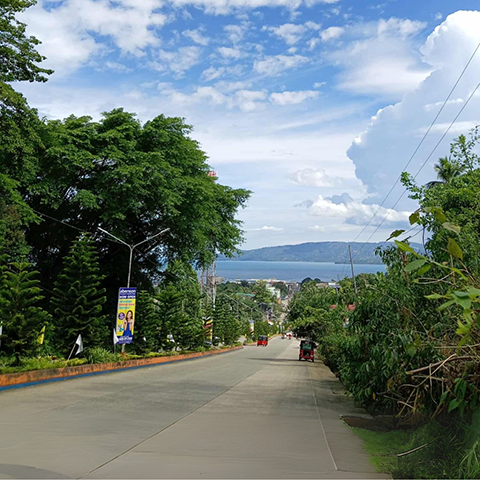
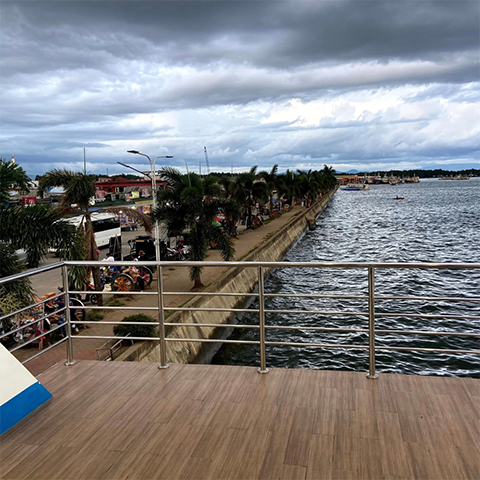
The city earned this moniker due to its distinctive hilly terrain and scenic views overlooking Illana Bay. The sloping topography, with structures built on hillsides, creates a landscape reminiscent of Hong Kong.

Capital City Status

Republic Act No. 711 (June 6, 1952) designated Pagadian as the capital of Zamboanga del Sur, elevating its administrative significance. The province was formally organized on September 17, 1952.

Tri-People Heritage

The city celebrates its tri-people heritage: Subanen (indigenous), Muslims (Maguindanao and Iranun), and Christians (Cebuano migrants). This cultural diversity is showcased during the annual Megayon Festival.

Charter City

President Ferdinand E. Marcos signed RA 5478 on June 21, 1969, creating the City of Pagadian. The charter comprises 108 sections organized into 15 articles, establishing comprehensive governance provisions.

Regional Center

Executive Order No. 429 (October 1990) designated Pagadian as the Regional Center for Region IX (Zamboanga Peninsula), with full transfer occurring on November 12, 2004.

Historical Timeline

From riverbank settlement to charter city - the journey of Pagadian through the ages

1600s

Subanen Settlements

The earliest known settlers, the Subanen people, established fishing and trading villages along the riverbanks of present-day Pagadian.

Early 1600s

Maguindanao Influence

Maguindanao and Iranun settlers arrived when coastal regions were annexed by the Sultanate of Maguindanao under Sultan Muhammad Kudarat.

July 1927

Barrio Under Labangan

Pagadian became a barrio under the Municipal District of Labangan. Datu Macaumbang donated 260 hectares for settlement development.

December 23, 1936

Municipality Created

Executive Order No. 77 created the Municipality of Pagadian, signed by President Manuel L. Quezon. Effective January 1, 1937.

June 6, 1952

Provincial Capital

Republic Act No. 711 divided Zamboanga Province, designating Pagadian as the capital of Zamboanga del Sur.

1968

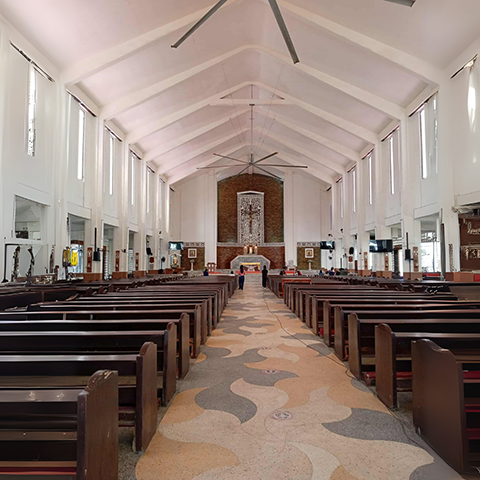
Santo Nino Cathedral

The Santo Nino Cathedral was constructed in San Francisco District, cementing the town's institutional presence.

June 21, 1969

City Charter Signed

President Ferdinand E. Marcos signed RA 5478, creating the City of Pagadian. Benjamin F. Arao became the first City Mayor.

1991

Local Government Code

RA 7160 (Local Government Code) modified many charter provisions, establishing the modern framework for local governance.

November 12, 2004

Regional Center Transfer

Full transfer of regional center status to Pagadian, making it the administrative hub of Region IX (Zamboanga Peninsula).

2021

Lechon Festival Begins

The first Lechon Festival was held during the 52nd Araw ng Pagadian, becoming a signature event celebrating the city's renowned lechon industry.

November 8, 2021

HUC Declaration

Proclamation No. 1247 declared Pagadian a Highly Urbanized City, pending plebiscite ratification.

Key Historical Figures

The leaders who shaped Pagadian's journey to cityhood

Figure Role & Contribution
Datu Macaumbang Sultan of Taga Nonok - Established territorial boundaries; donated 260 hectares for settlement
Assemblyman Juan S. Alano Instrumental in creating Pagadian municipality (1937); also authored Zamboanga City Charter
Congressman Roseller T. Lim Authored RA 711 (1952) establishing Zamboanga del Sur with Pagadian as capital
President Ferdinand E. Marcos Signed RA 5478 creating the City of Pagadian on June 21, 1969
Benjamin F. Arao First City Mayor under the charter

The Sangguniang Panlungsod

The legislative body of Pagadian City - voice of the people, guardian of good governance

Constitutional Foundation

The Sangguniang Panlungsod (City Council) of Pagadian City stands as the legislative branch of the city government, established under the constitutional framework of the 1987 Philippine Constitution and empowered by Republic Act No. 7160, otherwise known as the Local Government Code of 1991.

Historical Evolution: Since Pagadian's conversion to a city in 1969, the Sangguniang Panlungsod has evolved from a traditional council into a modern legislative body that champions participatory governance, transparency, and accountability.

Legislative Legacy: From 1940 to present, the council has enacted thousands of ordinances and resolutions addressing urban development, public health, education, environmental protection, economic growth, and social welfare.

Constitutional Role: As the policy-making body, the Council exercises legislative powers, appropriates funds for city programs, and provides oversight to ensure executive compliance with enacted policies.

Legislation

Enacts ordinances governing public safety, land use, health services, environmental protection, and business regulation. Approves resolutions to express collective opinion or authorize specific actions.

Budgetary Control

Reviews and approves the city's annual budget for efficient resource allocation. Approves supplemental budgets for unforeseen expenses or new initiatives.

Oversight & Monitoring

Monitors enforcement of local ordinances and ensures projects align with approved plans and budgets. Maintains balance of power essential to good governance.

Representation

Represents interests and concerns of constituents. Conducts public hearings and consultations for transparency and community involvement.

Policy Development

Crafts long-term development plans including urban planning and disaster risk reduction. Reviews existing ordinances to ensure relevance and effectiveness.

Quasi-Judicial Functions

Confirms appointments of key city officials made by the mayor. Hears administrative cases involving city employees or officials.

Current Structure under Local Government Code

Vice Mayor

Presiding Officer (votes only to break ties)

Regular Members

10 elected councilors (typical for component cities)

Liga ng mga Barangay

Ex-officio member

SK Federation

Ex-officio member

Important Events & Festivals

Celebrating the vibrant culture and traditions of Pagadian City

21
June

Araw ng Pagadian

City charter anniversary commemorating the signing of RA 5478 in 1969. Week-long celebration featuring civic-military parades, Miss Pagadian pageant, and the signature Lechon Festival.

Special Non-Working Holiday
10-15
January

Pasalamat Festival

Harvest celebration honoring Sto. Nino with fluvial parade, street dancing, and the prestigious Mutya ng Pagadian pageant.

Religious Festival
Varies
Jan/Feb

Chinese New Year

Cultural shows, lion and dragon dances celebrating the vibrant Chinese-Filipino community in Pagadian.

Cultural Event
17
September

Araw ng Zamboanga del Sur

Province founding day with civic-military parade, thanksgiving Mass, and cultural showcases at the capitol.

Provincial Holiday
Week of
Sept 17

Megayon Festival

Tri-people celebration (Subanen, Muslim, Christian) with street dances, indigenous rituals, trade fairs, and unity-themed events.

Cultural Unity
2021
Since

Lechon Festival

Signature event showcasing Pagadian's renowned lechon industry. Barangays compete with elaborately decorated lechons at Baywalk Boulevard.

Food Festival

Why Pagadian Celebrates June 21

On June 21, 1969, President Ferdinand E. Marcos signed Republic Act No. 5478, transforming the Municipality of Pagadian into a Charter City. This historic act established Pagadian as the third city in the Zamboanga Peninsula.

Araw ng Pagadian is a special non-working holiday requiring annual presidential proclamation. The celebration has evolved into a week-long festival featuring the civic-military parade, agro-trade fair with all 54 barangays, cultural performances celebrating the tri-people heritage, and since 2021, the beloved Lechon Festival.

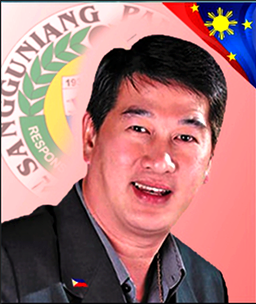
Hon. Samuel S. Co - City Mayor
City Mayor

Welcome to Pagadian City

Hon. Samuel S. Co

"Pagadian City continues to thrive as the regional center of Zamboanga Peninsula. Our commitment to progress, peace, and prosperity drives us forward. Together with the Sangguniang Panlungsod, we are building a city that works for every Pagadianon - a city of opportunity, culture, and sustainable development."

Infrastructure Development
Healthcare Access
Quality Education
Economic Growth
Environmental Protection
Peace & Order

News & Announcements

Stay updated with the latest news, events, and announcements from the City Government

City Development
January 2025

Pagadian Boulevard Enhancement Project Continues

The city's flagship waterfront development project enters its next phase, bringing improved facilities for residents and tourists.

Read More
SP Session
December 2024

SP Approves 2025 Annual Budget

The Sangguniang Panlungsod unanimously approves the city's annual investment program for fiscal year 2025.

Read More
Tourism
December 2024

Tourism Arrivals Surge in Q4 2024

Pagadian City records significant increase in tourist arrivals, boosting local economy and hospitality sector.

Read More

Online Services

Access government services conveniently from anywhere

Explore Pagadian City

Discover the attractions, festivals, accommodations, and community of the Little Hong Kong of the South